We watch TV and see Hollywood’s stereotype of a published author – some reclusive soul clacking away at typewriter keys all day long. Somewhere along the line a well-dressed and wise agent enters the scene and talks about a frantic national book tour that visits bookstores in multiple small towns; there’s always a huge placard announcing the event in the window and with rare exceptions a room filled with panting fans waiting for personally autographed books.
Ok, shut the TV off and meet the real world…
At a time when it is easier than ever to be “published” there are some facts that might surprise you: Most writers do NOT make a living writing. It is rare AT ANY PUBLISHER that someone will do all of your marketing and promotions unless YOU are paying for it. Some book sales will be as low as the number of your close family and friends. Some writers invest more monetarily than they ever recoup in royalties. Not every publisher offers an advance. While it may seem that no one has ever heard of you no matter how hard you’ve tried to promote your book, do something vindictive and suddenly everyone will know of you – and want to avoid you.
I am certainly not telling you these hard facts to discourage you. I want to encourage you. I want you to choose to write. The people who go into this field with unrealistic expectations will usually frustrate easily and may even give up their dream. I want you to go in with your eyes wide open and your fingers busy on the keyboard. The first time, every time, you see your name on the spine of a book is an incredible feeling of accomplishment and joy. Seeing your published words (either in a printed book or in an electronic document) is amazing and the knowledge that someone, anyone, somewhere is reading YOUR words is empowering.
The field is a hard one. Yes, I said it is easier than ever to get published and it is. The economy has actually increased the number of “publishers” – the BIG New York houses, once the pinnacle of the publishing world, have had to reduce staff and lower their risk by not accepting as many new and unknown authors. Promotion budgets (when and where they are still available) are drastically reduced and spent only on the houses’ top and proven performers. Costs of printing coupled with modern technology have made it more feasible for some to electronically publish a book rather than place it on a bookshelf in some retail outlet.
A number of Small Press and Independent publishers have popped up, and sometimes out, over the past few years. Authors have turned to forms of self-publishing, sometimes with the help of a vanity press and sometimes through other means. It still remains though that the first important step is getting your book out there. Being a successful published author takes more than talent, you need a good sense of business, specifically publishing business. Do your research and by all means do your math. Let your dreams guide you, but not blind you.
Some general publishing terms to understand –
Traditional Press, Small Press, and Indie (independent) Publishers: Press that offers full design services, distribution through international distributors and wholesalers, layout and design, carries back-list and mid-list authors along with front-list (big name) authors, has editing department, sometimes offers advances. Big Houses, the “Big Six”, use a traditional format.
Self-pub: A writer manages every phase of production across all venues. It is difficult to get in-store distribution, printing is often higher priced. Self published e-books eliminate costs of printing but must be highly promoted on websites. It is very important to pay attention to good formatting, editing, proofing, and cover design. The author must market extensively. The self-pub end of the industry has a bad name that can work against a great author; while this is slowly changing – it is VERY slowly changing.
Subsidy and Vanity publishing: Often very expensive, authors almost never see their investments returned. The author pays for everything including any marketing and promotion. Some companies offer up-to-very-expensive packages to design and promote your book that they claim will ensure “success” – be careful. Some subsidy may be worthwhile if you are looking for a very limited run to distribute within a family or group.
Print-on-Demand and Publish-on-Demand: These terms refer to the method of printing. Instead of printing a set run of books and running the risk of getting stuck with unsold copies, books are only printed after confirmed sales. The costs of printing are usually higher and the retail price of the books needs to compensate.
If you have done your homework and ensure you are not falling for some ridiculous scheme, then don’t let someone talk you out of being a published author. “Hang out” on forums and social network sites with other writers to hear industry news. If you decide to go with a “Small Press” or such, don’t let someone snub you because you are not with a “Big House” – often those are the folks who are still waiting to get published.
Writing exercise: Using YOUR name, write a “story” where each sentence begins with the letters in your name (ie: CHELLE = Cars came to a screeching halt. Hurrying across the street, an old lady had tripped. Everyone craned their necks to see what had happened. Leaving his car running, a young man went to her assistance. Lots of onlookers cheered. Even more cheers erupted when the woman stood, seemingly unscathed, and continued on her journey.)
Writing prompt: Describe yourself so that you would be recognized by a stranger in a crowded subway station – make it a pleasant description.
All about writing and being a writer - An online writing course from Chelle Cordero
There's a Workbook!

Please support this blog: Just use PayPal - my address is SubscribeLBW@gmail.com
A Kindle subscription to Living, Breathing, Writing is only $.99 per month - if you are reading this blog on the web, please consider making a contribution for its upkeep?
Meet Chelle on the Web
Blog Archive
About Me
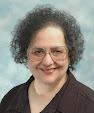
- Chelle Cordero
- So much to say and so little room to write - Grew up in the Bronx, NYC and went to school at JHS80, HS of Art & Design, and Fordham U. Lincoln Ctr campus. I always had an overactive imagination and parents who encouraged creativity and individuality. I am married to a terrific guy and we raised two extraordinary kids. My sister and I are real close. And I've always tried to give back to my community. Oh, by the way, I like to write.
